

What Autumn Can Teach Us About Letting Go
A recent Psychology Today article about the psychology of autumn made an observation I particularly liked: a leaf doesn't turn red one morning and fall that afternoon. Letting go takes time.
People do, too.
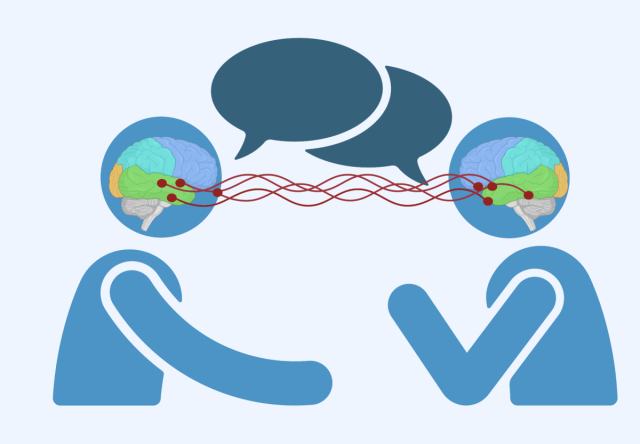
We Were Never Meant to Do This Alone
A recent Psychology Today article, “Your Brain Is a Social Butterfly,” describes some fascinating research about why this may be. Scientists studying people interacting in real time have found evidence of interpersonal neural synchrony—our brains can actually begin to coordinate with one another during conversation, shared attention, cooperation, and learning.
In other words, connection isn't just something that feels nice. We are built for it.

Therapy Language Can Help Us Understand Ourselves. It Can Also Distance Us From Each Other.
The language of mental health has become part of how many people now explain themselves and interpret relationships.
In many ways, this shift is positive.
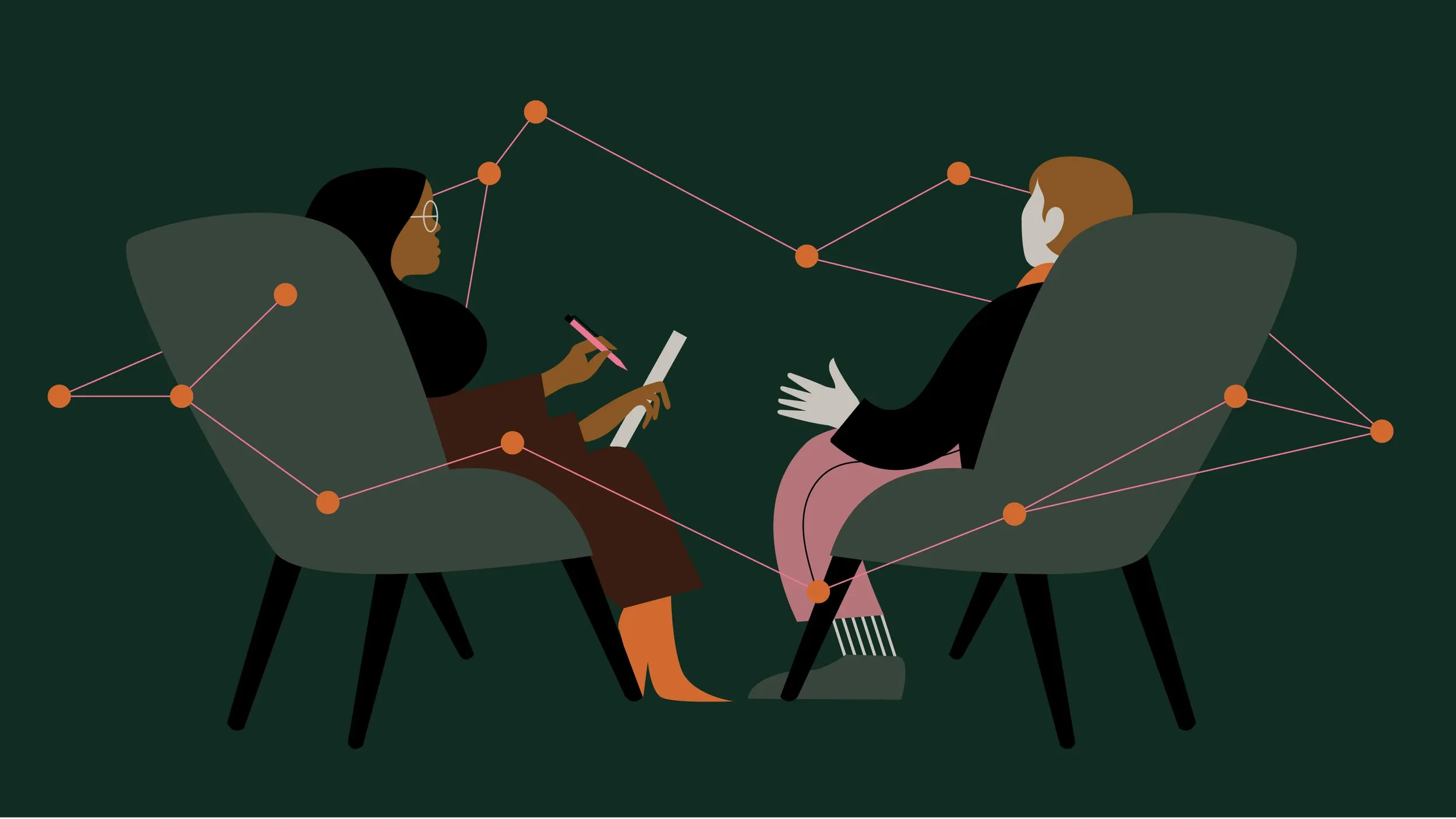
Clients Are Using AI for Emotional Support. Therapy Should Make Space to Talk About It.
As AI tools like Chat GPT become more integrated into daily life, more people are using them for emotional support, reflection, journaling, problem-solving, and even quasi-therapeutic conversations. While caution is absolutely warranted, especially around replacing actual psychotherapy with AI, the growing wave of warnings about “chatbot therapy” may unintentionally create shame or secrecy around something many clients are already doing.
The Psychology Trick That Makes Hard Things Easier to Start
One of the biggest obstacles to exercise is not the workout itself — it’s getting started. Recent research and reporting suggest that shifting your mindset away from “I have to complete everything” and toward “I just need to begin” can dramatically reduce avoidance and increase follow-through.

Why Alcohol Can Intensify Anxiety, Sadness, and Emotional Reactivity
The “emotional hangover” can include anxiety, irritability, shame, sadness, racing thoughts, and heightened emotional sensitivity the next day.

Finding an LGBTQ+ Affirming Therapist: What to Look For and Why It Matters
Affirming care is not simply about acceptance. It is about creating an environment where your identity is recognized as an essential and valuable part of who you are.

Recognizing Perimenopause: Symptoms, Misconceptions, and Support
Many women enter perimenopause without realizing what’s happening. What starts as trouble sleeping, mood changes, or unexpected fatigue can feel easy to dismiss or mislabel as everyday stress. But as highlighted in a recent NPR article, this stage of life is often far more complex—and far less recognized—than it should be.

Polyamory: Love, Rejection, and Emotional Reality
Polyamory is often imagined as a kind of emotional abundance, where connection flows freely and love refuses to be limited. It carries a sense of openness that feels almost ideal. But behind that openness is a more complicated reality.

Talking to Children About Illness — and Other Difficult Truths
It’s an incredibly hard subject — but their choice to be direct and compassionate highlights something universal: children benefit when we’re honest with them, even about life’s hardest truths.
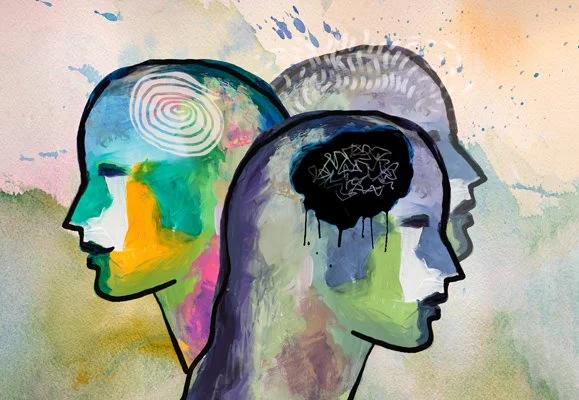
Why Trauma Therapy Can Feel Physical — And How to Cope
Trauma therapy doesn’t just stir up emotions — it often activates the body too.

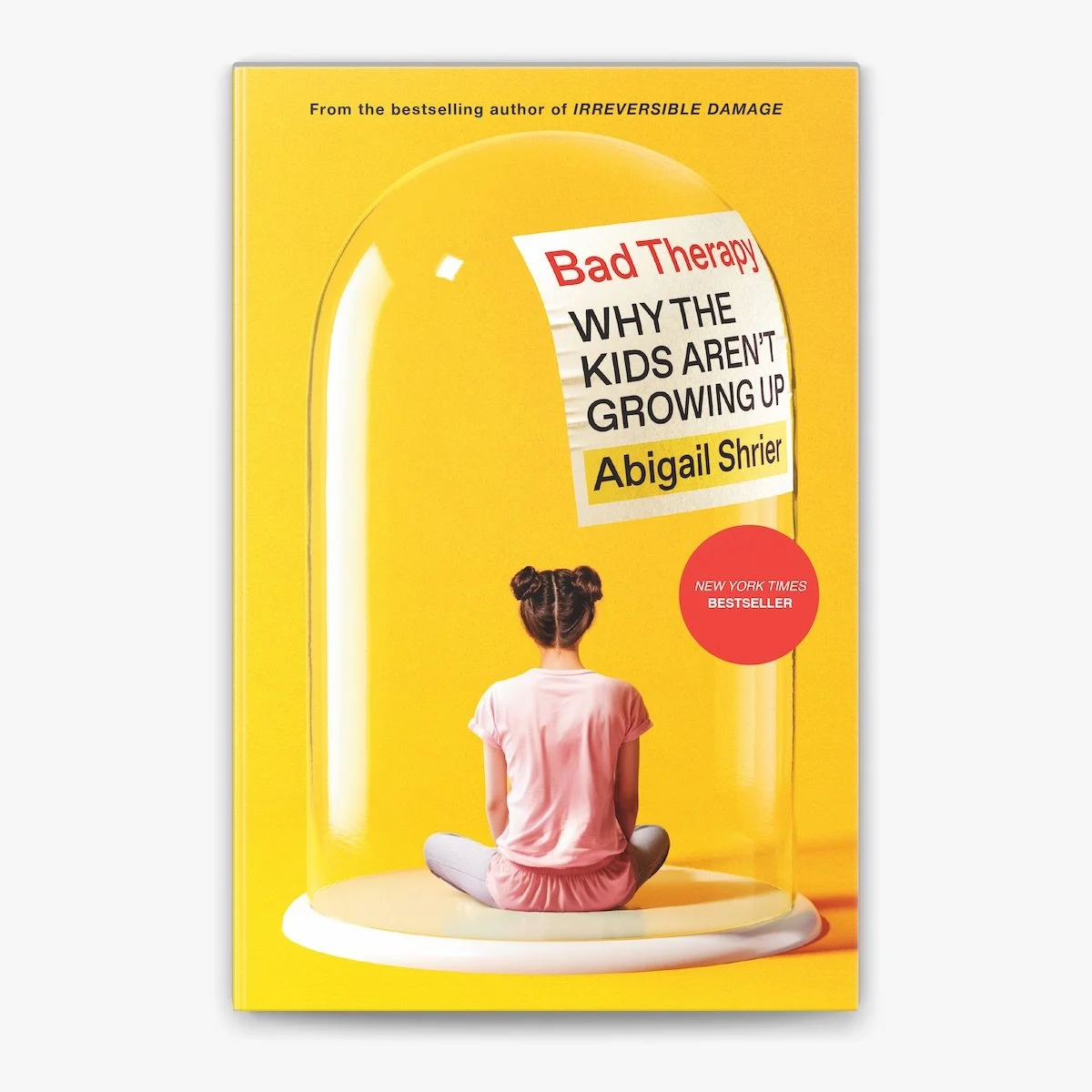
Bad Therapy: When Parenting, Not Therapy, Is the Answer
Abigail Shrier’s Bad Therapy warns against overpathologizing childhood. Discover why parents—not therapy—should guide normal struggles, and why fewer cases mean better care.

Talking to Children About Illness — and Other Difficult Truths
Why our attempts to shield children from hardship so often achieve the opposite, and how compassionate honesty can help
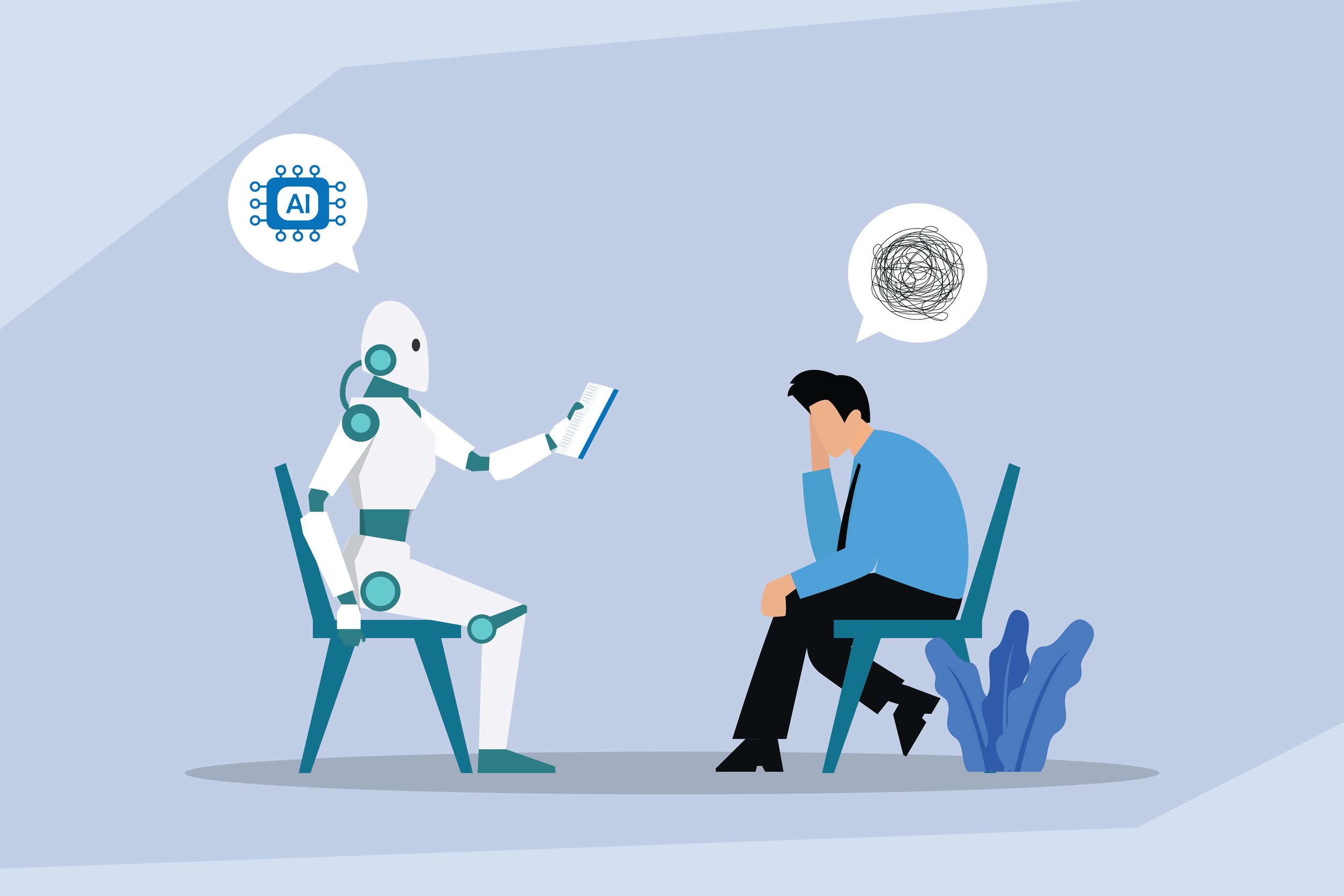
The Human Element of Therapy: Why Friction Matters More Than Perfection
I loved this recent TIME essay on AI and therapy. It captures something many people misunderstand about what makes therapy work.

Why Many Therapists Are Leaving Insurance Networks
NPR recently published an insightful article about why so many therapists are choosing to leave insurance networks — and it resonated deeply with what we see in our field.
Therapy, Illness, and Professional Wills: Our Policy
Talking about illness and death isn’t easy. But naming it openly is one way we honor the depth of the therapeutic relationship. If you have questions or concerns about this, please bring them up—we welcome the conversation.

Beyond Bubble Baths: Reclaiming Self-Care as Connection and Courage
Feeling overwhelmed? Discover why true self-care isn’t withdrawal, but action: when you feel the worst, that’s the moment to connect, contribute, and reclaim your agency.
Photo: Vonecia Carswell, Unsplash

Finding Healing in the Water: When Swimming Becomes Therapy
Learn how physical movement can complement the emotional work of psychotherapy, why it works, and how to get started

Returning to an Old Therapist: Why the Experience Feels Different
What happens when you return to a therapist years later? Explore how transference shifts, therapists grow, and therapy feels new again.